
Buyer guide
Tbilisi vs Batumi: Where to Invest in Georgian Real Estate
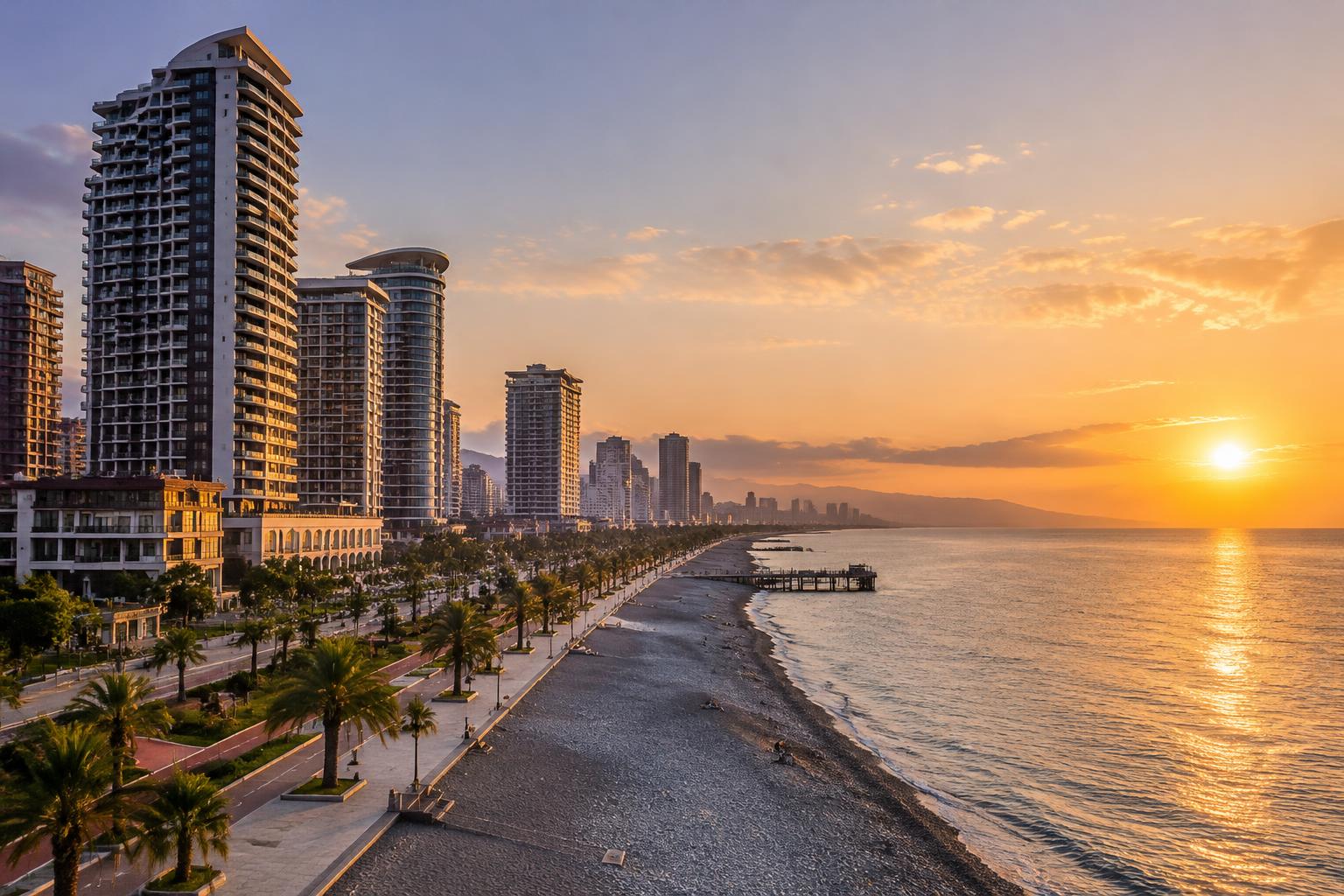
Choosing between Tbilisi and Batumi is not just a choice between two cities or two price levels. In practice it is a choice between two different businesses: Tbilisi behaves mostly like a conventional residential rental market with 12‑month leases and year‑round local demand, while Batumi behaves mostly like a seasonal hospitality business built on short stays and summer peaks.
A yield you actually receive matters more than a yield you are quoted. Always compare net income after fees, vacancy and running costs — not headline brochure figures.
This guide compares both markets on running costs, seasonality, market depth, taxes and financing so you can decide which model fits your goals. Market figures below are dated estimates from published research and local market reports; treat them as context, not as a promise of future returns.
1. Key takeaways
- Different operating models. A Batumi aparthotel unit usually needs active guest management or a hotel operator, who typically keeps a significant share of revenue. A Tbilisi apartment is usually let to one tenant for a year.
- Gross is not net. Headline coastal yields often leave out platform fees, cleaning, winter vacancy and higher utility costs. The gap between gross and net can be large.
- Market depth. Tbilisi has a much larger, mostly domestic buyer base, which generally makes resale easier. Batumi investment units depend more on foreign buyers, and identical studios in large towers can compete with each other on price.
- Seasonality. Batumi income is concentrated in the summer months; Tbilisi demand is spread more evenly across the year.
2. Operating models: long-term lease vs short-term hospitality
The biggest difference between the two cities is how much work — and cost — it takes to turn rent into net income.
Tbilisi. Most investment apartments are let on 12‑month leases. Once a tenant is in place, income is predictable, turnover is low and there are no nightly platform commissions or cleaning cycles. Utility bills are normally paid by the tenant under the lease.
Batumi. A unit in a modern aparthotel works like a small hotel room. Income depends on bookings through platforms, dynamic pricing, reviews, cleaning between guests and frequent repairs. Owners who hand this to a management company commonly give up roughly a quarter to a third of gross revenue (terms vary by operator — always read the contract).
Check the property classification. Some aparthotel units are registered as non-residential (commercial) space. This can affect utility tariffs, taxes and eligibility for some programmes. Ask for the registry extract and confirm the status before you buy.
| Tbilisi (long-term residential lease) | Batumi (aparthotel / short stays) | |
|---|---|---|
| Owner workload | Low: find one tenant, sign a lease, light maintenance | High: bookings, pricing, reviews, cleaning, repairs — or an operator |
| Typical renters | Expats, relocating professionals, students, local households | Summer holidaymakers, domestic and regional tourists |
| Utilities | Usually paid by the tenant | Paid by the owner or operator, including in empty months |
| Main costs | Rental income tax, small repair reserve, optional agent fee | Operator share, platform fees, cleaning, utilities, furniture wear |
3. Seasonality: when the money arrives
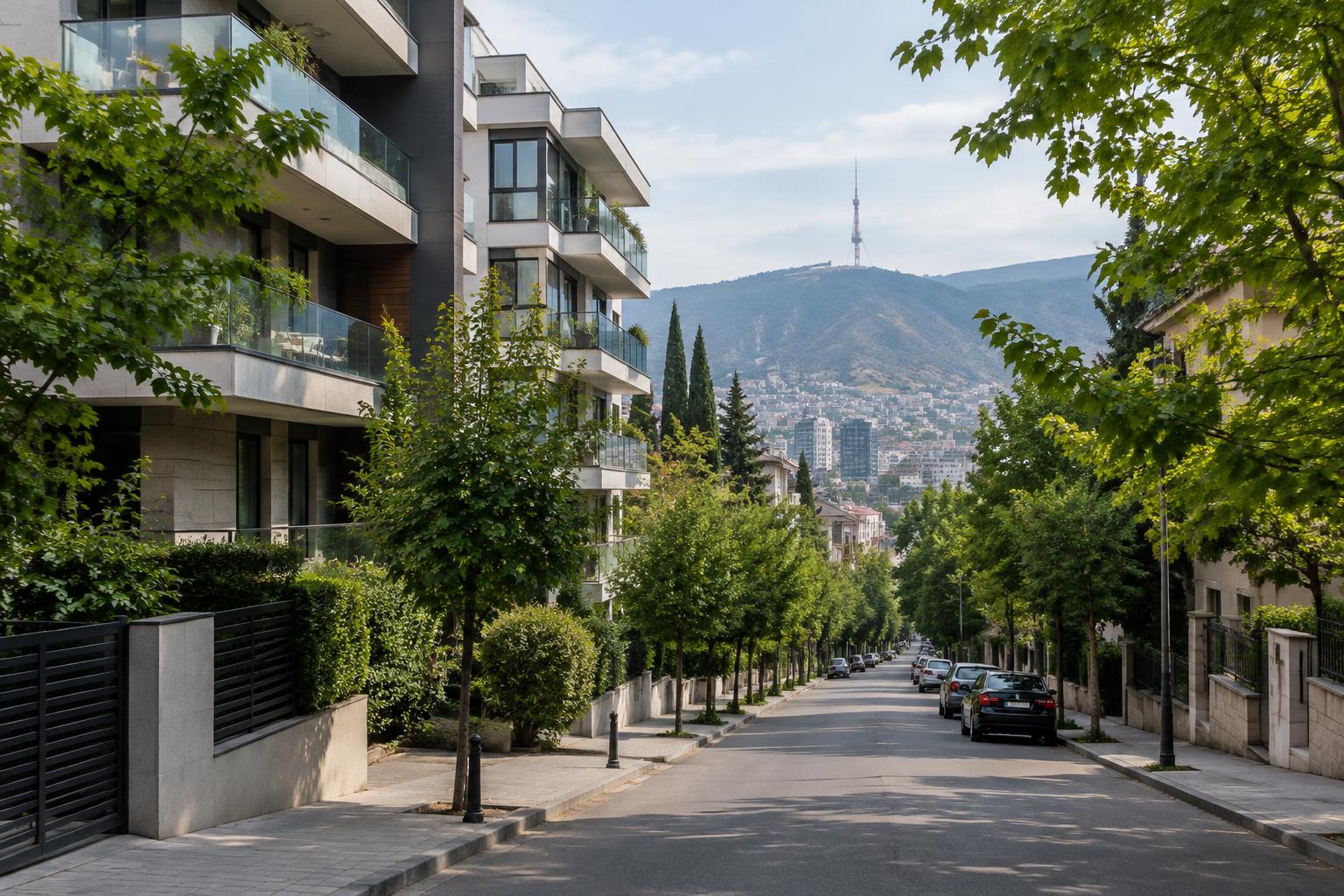
Batumi: a strong summer, a quiet winter
Adjara receives millions of visitors a year, but most of them come in summer. Market reports describe short-term rentals in Batumi earning the large majority of their annual income in July and August, with much lower occupancy in winter. Fixed costs — building fees, utilities, maintenance — continue all year.
This creates concentration risk: if a summer season is weak because of weather, regional events or travel disruption, a large part of the year's income can be lost.
Tbilisi: demand from several directions
Tbilisi rental demand comes from several groups at once:
- Relocating professionals and expats — companies, NGOs, embassies and IT specialists looking for longer leases.
- Students — including international medical and technical students who rent for an academic year.
- Local households — Georgian families and young professionals moving into central districts.
- Remote workers — foreigners staying for several months on medium-term leases.
Because these groups rent at different times, occupancy in Tbilisi tends to be steadier through the year.
4. Side-by-side comparison
The figures below are approximate ranges reported by local research houses and market reports in 2024–2025. They change over time and differ a lot between buildings and districts.
| Indicator | Tbilisi | Batumi |
|---|---|---|
| Typical new-build price | Around $1,300–1,400 per m² (city average, 2025 reports) | Around $1,400 per m² (2025 reports) |
| Reported gross rental yield | Roughly 7–8% on average, varying by district | Roughly 7% on average; holiday units are sometimes advertised much higher |
| Monthly sales volume (July 2025, reported) | About $290 million | About $100 million |
| Main buyers | Local end-users and landlords, expats | Foreign investors, holiday-home buyers |
| Income pattern | Spread across the year | Concentrated in summer |
Advertised yields of "up to 15%" for holiday units are marketing projections, not guaranteed results. Ask the developer or operator for real past statements from comparable units.
5. Gross vs net: an illustrative example

The example below is purely illustrative. It uses round, assumed numbers for a $100,000 apartment in each city to show how costs change the result. Your own numbers will be different.
| Line item (per year, assumed) | Batumi aparthotel, short stays | Tbilisi apartment, 12-month lease |
|---|---|---|
| Gross rental income | $12,000 | $8,000 |
| Operator / management share | −$3,600 (assumed 30%) | $0 (self-managed) |
| Owner-paid utilities and off-season costs | −$1,200 | $0 (paid by tenant) |
| Repairs and wear reserve | −$600 | −$200 |
| Rental income tax (assumed 5% of gross) | −$600 | −$400 |
| Net income | $6,000 | $7,400 |
| Net yield on $100,000 | 6.0% | 7.4% |
In this example, Batumi earns more gross rent, but higher running costs leave less net income than the simpler Tbilisi lease. Different assumptions — for example a strong summer, or a long vacancy in Tbilisi — can reverse the result.
6. Living in the apartment part of the year
Many buyers want to use the apartment themselves for part of the year and rent it out the rest of the time.
In Batumi this creates a conflict. The best rental months are also the best months to be at the sea. Staying there in July or August can remove most of the year's rental income. Staying in the off-season keeps summer income, but then the rent mainly covers running costs rather than producing a return.
In Tbilisi it is easier to combine both:
- Central short-stay apartments in tourist areas such as Sololaki, Mtatsminda, Vera or the Old Town can be rented by the night and blocked for your own visits — but they need active management, and older buildings may need more maintenance.
- Medium-term leases of three to six months for remote workers or visiting professionals let you plan your own stays without leaving the apartment empty for the whole year.
7. Districts at a glance
Prices and yields below are indicative ranges from market reports and vary from building to building. Always check current listings.
Tbilisi
- Saburtalo — a popular mid-market district with metro access, universities, hospitals and offices. Demand comes from students, medical staff, IT workers and families.
- Vake — the most prestigious residential area, near embassies, parks and international schools. Prices are higher and yields lower, but resale demand is usually strong.
- Mtatsminda, Sololaki and the Old Town — the historic and tourist centre. Suitable for short stays, but historic buildings can need significant renovation and ongoing management.
- Bagebi — newer residential complexes near Vake, with fresher air and limited land for new building.
- Ortachala — an emerging area near the Old Town with newer projects and lower entry prices. It has no metro station at present, which can matter for tenants without cars.
- Vera — a central, walkable area between Vake and Rustaveli Avenue, suitable for both long and short stays.
Batumi
- First coastline and Old Town — the most sought-after locations with the highest summer demand, but also the most competition between short-term listings.
- New Boulevard and high-rise areas — large aparthotel towers with many similar units. Sea views, higher floors and better layouts help a unit stand out.
- Gonio and outer resort areas — quieter southern areas with resort-style and branded projects.
You can browse current verified projects in our apartment catalog.
8. Taxes and legal points for foreign owners
Foreigners can own residential and commercial real estate in Georgia on the same basis as citizens; direct ownership of agricultural land by foreigners is restricted.
| Topic | General rule | What to check |
|---|---|---|
| Ownership | Full ownership of apartments and commercial property | Agricultural land is restricted for foreigners |
| Purchase tax | No transfer tax on buying an apartment | Notary or service fees may apply depending on the transaction |
| Registration fee (NAPR) | 150 GEL standard; higher fees for faster processing (e.g. 270 or 350 GEL) | Check current fees at the Public Service Hall |
| Rental income tax | Individuals renting residential property can apply a reduced 5% rate on gross income after registering with the Revenue Service | Other cases are taxed under the general rules; ask a tax adviser |
| Sale of property | Individuals are generally exempt from tax on the sale of residential property owned for more than two years | Check how the holding period is counted for off-plan purchases |
| Annual property tax | Depends on household income and property value | Many owners below the income threshold pay none |
Read more in our guides to property tax in Georgia and residency by investment.
Residence permits linked to property
Buying residential property of sufficient value can support an application for a temporary residence permit. Since March 2026 the published threshold is $150,000, confirmed by a valuation; earlier purchases may fall under the previous rules. Larger investments can lead to longer-term investment residency. The decision always rests with the Public Service Development Agency.
9. Financing, banking and resale
Resale liquidity
- Tbilisi has a deeper market with many local buyers, which generally makes it easier to sell at a fair price.
- Batumi investment units rely more on foreign buyers. In large towers with many identical studios, selling quickly may require a price discount.
Opening a bank account
You will need a Georgian bank account to pay for the property, receive rent and pay taxes. Banks follow strict anti-money-laundering checks: be ready to show your passport and clear proof of where your funds come from (for example tax returns, bank statements, employment or business documents). Requirements and whether remote opening is possible differ by bank and nationality — check with the bank before travelling.
Developer installments and bank mortgages
- Developer installments. Many developers offer interest-free installments during construction, typically with 20–30% down and the balance paid until completion. Terms vary by project. Prices may rise during construction, but growth is not guaranteed.
- Bank mortgages. Georgian banks can lend to non-residents, usually with a larger down payment and conditions that depend on the bank, currency, income and property. National Bank rules limit foreign-currency lending for smaller loans, so many loans are issued in lari. Interest rates and thresholds change — ask the bank for a current written offer.
Read our full Georgian mortgage guide for foreigners and see all payment options.
How a bank-financed purchase usually works
- Open an account and pass the bank's identity and source-of-funds checks.
- Agree the property and preliminary terms with the seller; the bank orders a valuation.
- Submit documents — income proof, statements and property details.
- Receive the bank's decision and loan offer with the final terms.
- Sign and register the purchase and mortgage with the Public Registry.
10. Final checklist: Tbilisi or Batumi?
| Tbilisi may suit you if… | Batumi may suit you if… |
|---|---|
| You want a simpler, mostly passive long-term rental | You want a seaside holiday home that partly pays for itself |
| Easy resale and a deep local buyer market matter to you | You are comfortable with hotel-style management or paying an operator |
| You prefer income spread through the year | You can handle most income arriving in summer |
| You value established districts such as Vake, Saburtalo or Bagebi | You understand the extra costs and classification of aparthotel units |
How Expat Home Georgia helps
We work only with verified developers in Tbilisi. Buyers pay no commission to us and pay the same price as buying directly from the developer. We help you compare projects, negotiate, check documents and connect with partner banks — the bank always makes its own lending decision.
Contact us for a free consultation.
This article is general information, not financial, tax or legal advice. Figures are approximate, based on published market reports from 2024–2025, and can change. Rental results are not guaranteed. Check current rules with official sources such as the Revenue Service, the Public Registry and the National Bank of Georgia, and consult qualified advisers before investing.